
 See My Latest Article on HelloNation
A chipped or broken tooth is often treatable, but the right first steps depend on how much tooth is missing, whether the inner nerve is exposed, and whether the injury involved the face or jaw. Until the tooth can be evaluated, protect it from further damage, control discomfort, and watch for signs that require urgent medical attention.
What should you do immediately after breaking a tooth?
Rinse your mouth gently with lukewarm water to clear away small fragments. If there is bleeding from the cheek, lip, or gum, apply steady pressure with clean gauze or a soft cloth for about 10 minutes.
If a piece of the tooth came off, save it. Place the fragment in a small container with milk or saliva, and bring it along for evaluation. Do not scrub, bleach, or scrape the fragment.
For swelling or soreness, place a cold compress against the outside of the cheek for short periods. Avoid putting ice directly on the skin or holding ice against the tooth for a long time.
Until the tooth is assessed:
- Chew on the opposite side of the mouth.
- Choose soft foods and avoid hard, sticky, or crunchy items.
- Keep the area clean with gentle brushing.
- Do not attempt to glue the piece back onto the tooth.
- Avoid very hot or cold foods if the tooth is sensitive.
In a coastal community such as Johns Island, outdoor activities, cycling, water sports, home projects, and contact sports can all create opportunities for dental injuries. A mouthguard is useful for activities involving falls, collisions, or equipment near the face.
Is a chipped tooth a dental emergency?
A small chip without pain, bleeding, or sharp edges is usually not a medical emergency, but it still deserves a dental evaluation. A minor-looking break can expose weaker layers of tooth or result from decay, grinding, or an older filling.
A broken tooth is more urgent when it causes:
- Severe or persistent pain
- Sensitivity that continues after hot or cold exposure
- A sharp edge cutting the tongue, cheek, or lip
- Bleeding from inside the tooth
- A visible pink or red spot in the broken area
- Swelling of the gum, cheek, or face
- A loose tooth or a change in how the teeth fit together
- A fracture extending below the gumline
A visible pink or red center may indicate that the pulp—the tissue containing the tooth’s nerve and blood supply—has been exposed. This situation should be assessed promptly because the exposed tissue can become irritated or infected.
When should you go to an emergency department?
A dental office is generally better equipped to repair a broken tooth, but some injuries require emergency medical care. Go to an emergency department or call emergency services for:
- Trouble breathing or swallowing
- Rapidly increasing facial or mouth swelling
- Uncontrolled bleeding
- Loss of consciousness, confusion, repeated vomiting, or a severe headache after a head injury
- A suspected broken jaw
- An injury involving the eye or extensive facial wounds
- Inability to bring the upper and lower teeth together after facial trauma
A hospital emergency department may control bleeding, manage swelling, and evaluate serious trauma, although it may not be able to complete definitive tooth repair.
What if the tooth was knocked out rather than chipped?
A completely displaced permanent tooth requires especially rapid action. Hold the tooth only by the crown, which is the part normally visible in the mouth. Do not touch or scrub the root.
If the tooth is visibly dirty, gently rinse it with milk or clean water without rubbing. If possible, place it back into the socket and hold it gently in position by biting on clean gauze. Do not force it into place.
If it cannot be replaced, keep it moist in milk or saliva and seek urgent dental care. Do not let it dry out, and do not wrap it in a dry tissue. A baby tooth should not be pushed back into the socket.
A knocked-out tooth is different from a small chip. Time can affect whether the tooth can be stabilized, so prompt action matters.
How is a broken tooth repaired?
Treatment depends on the location and depth of the fracture. A small enamel chip may be smoothed or restored with tooth-colored material. A larger break may need a filling, bonding, or a crown to protect the remaining structure.
If the crack reaches the pulp, root canal treatment may be needed before the tooth is restored. If the tooth is split, badly weakened, or fractured below the gumline, saving it may be more difficult.
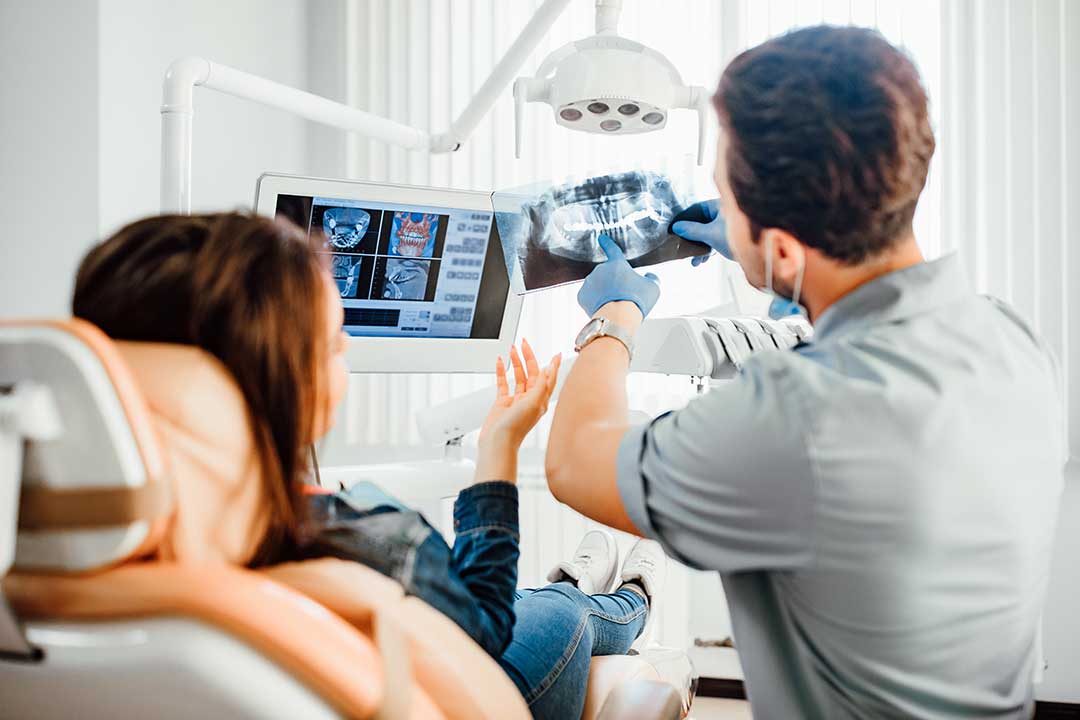
An examination may include a visual inspection, bite testing, and dental X-rays. Some cracks are not obvious from the surface, especially when pain occurs only during chewing or when releasing a bite.
Can you wait if the pain goes away?
Pain stopping does not always mean the tooth has healed. A tooth can temporarily become less sensitive if the nerve is damaged, while bacteria continue to enter through the fracture. Delayed treatment may increase the risk of infection, swelling, or a more extensive break.
A tooth that has chipped without discomfort may not require same-day treatment, but it should not be ignored indefinitely. Covering a sharp edge with orthodontic wax can temporarily protect the tongue or cheek. This is only a short-term measure, not a repair.
Why do teeth break without a major accident?
Trauma is only one cause. Teeth may fracture after repeated stress from clenching or grinding, large fillings, untreated decay, weakened enamel, or biting hard objects. A tooth that breaks while eating ordinary food may have already been compromised.
Common contributors include:
- Ice, hard candy, popcorn kernels, bones, or nutshells
- Nighttime grinding or daytime clenching
- Untreated cavities
- Old or extensive restorations
- Using teeth to open packaging
- Sports or recreational injuries
- Falls, vehicle collisions, or blows to the face
Warm, humid weather and outdoor routines do not directly cause teeth to break, but seasonal activities can increase exposure to falls, impact, and dehydration-related dry mouth. Drinking water and using protective equipment during higher-risk activities can help support safer habits.
What should parents know about a child’s broken tooth?
A child with a chipped baby tooth should still be evaluated, particularly if the tooth is loose, painful, discolored, or cutting the tongue. Damage to a baby tooth can sometimes affect the developing permanent tooth beneath it.
For a permanent tooth, save any fragment and seek prompt guidance. Children may have difficulty describing sensitivity or pain, so changes in eating, sleep, speech, or behavior can provide useful clues.
Do not place aspirin directly on a child’s gum or tooth. It can irritate or burn the tissue. Use only pain medicine appropriate for the child’s age and medical history, following the label or guidance from a healthcare professional.
How can future fractures be prevented?
Wear a properly fitted mouthguard for contact sports or activities with a meaningful risk of falls or impact. Avoid chewing ice and very hard foods, and do not use teeth as tools. Regular dental examinations can identify decay, worn fillings, cracks, and grinding-related damage before a larger fracture occurs.
Prompt attention is especially worthwhile after a facial injury, even if the tooth seems only slightly chipped. A small edge may be the visible part of a deeper problem.