

 See My Latest Article on HelloNation
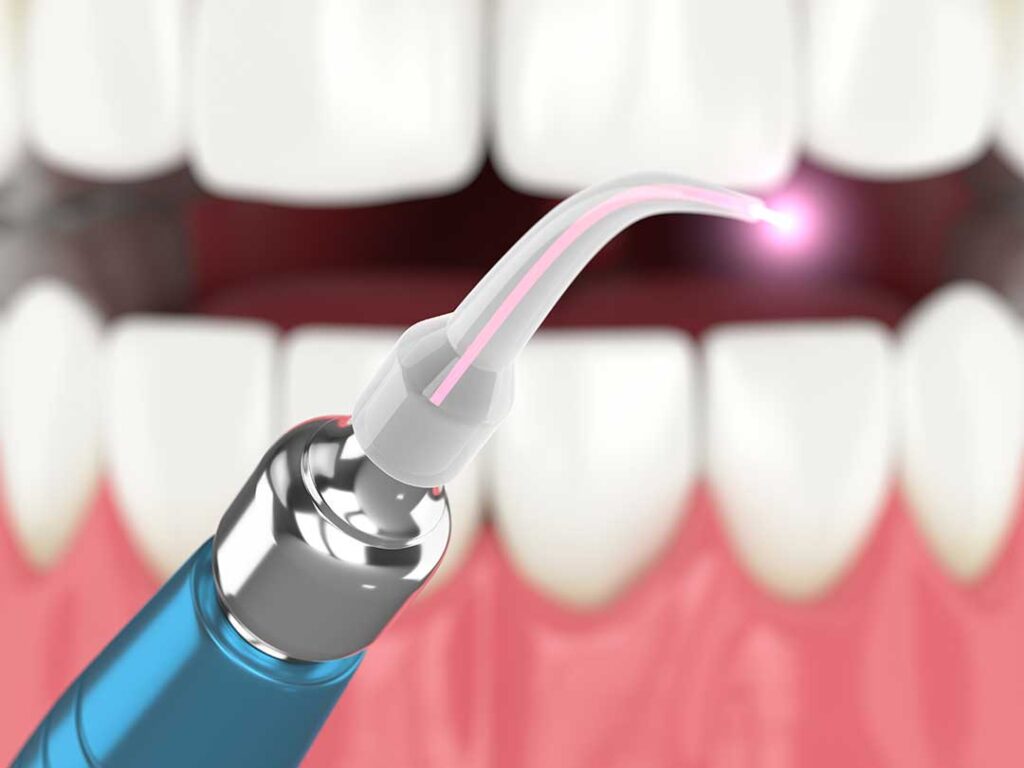
Bad breath is often linked to bacteria, food particles, dry mouth, or gum problems rather than a lack of mint flavor. For residents of Johns Island, SC, simple habits such as drinking water, cleaning the tongue, and gently cleaning between the teeth can often improve breath without relying on strongly flavored products.
What causes unpleasant breath?
Most ongoing mouth odor begins inside the mouth. Bacteria can collect on the tongue, around the gums, between teeth, under dental appliances, or in areas that are difficult to brush. Gum disease, tooth decay, infection, and dry mouth can also contribute. The back of the tongue is a particularly common source because it can collect bacteria and debris. ([mayoclinic.org](https://www.mayoclinic.org/diseases-conditions/bad-breath/diagnosis-treatment/drc-20350925?utm_source=openai))
Food and drinks may cause temporary odor. Garlic, onions, coffee, alcohol, and spicy foods can leave odor-producing compounds in the mouth or bloodstream for a period of time. Skipping meals, crash dieting, and tobacco use may also worsen breath.
The warm, humid coastal conditions common in the area can make outdoor activity more dehydrating, especially during summer. Mouth breathing during exercise, nasal congestion, or spending long periods in air conditioning may further reduce saliva and make the mouth feel dry.
Can drinking more water freshen breath?
Yes. Water helps rinse away loose food particles and supports saliva production. Saliva naturally cleanses the mouth and helps control acids and bacteria. Dry mouth is associated with increased risk of odor, cavities, and gum irritation. ([ada.org](https://www.ada.org/resources/ada-library/oral-health-topics/xerostomia?utm_source=openai))
Practical habits include:
- Drink water regularly rather than waiting until thirst is strong.
- Keep water available during outdoor work, exercise, or long drives.
- Take small sips after coffee, alcohol, or salty foods.
- Notice whether mouth odor is worse after waking, exercising, or talking for long periods.
Sugar-free gum can also help stimulate saliva when brushing is not possible. Choose gum without added sugar, since frequent sugar exposure can increase cavity risk. Water and gum may relieve dryness, but they will not correct an untreated cavity, gum infection, or other dental problem.
Does cleaning the tongue help?
Gentle tongue cleaning can reduce odor for many people. The tongue’s surface, especially toward the back, may hold bacteria and a coating that brushing alone does not fully remove. The tongue can be cleaned once a day with a toothbrush or tongue cleaner. ([mayoclinic.org](https://www.mayoclinic.org/diseases-conditions/bad-breath/diagnosis-treatment/drc-20350925?utm_source=openai))
Use light pressure and move from the back toward the front without causing pain or bleeding. Scrubbing aggressively can irritate the tongue and does not provide extra benefit. A persistent thick coating, burning sensation, sores, or unusual color should not be treated by repeated forceful scraping.
How do brushing and flossing affect breath?
Natural breath-freshening methods work best when they support basic oral hygiene. Brush the teeth and gumline twice daily for about two minutes with fluoride toothpaste. Clean between the teeth once a day with floss or an interdental cleaner. These steps remove plaque and trapped food that can produce odor. ([mayoclinic.org](https://www.mayoclinic.org/diseases-conditions/bad-breath/diagnosis-treatment/drc-20350925?utm_source=openai))
Pay particular attention to:
- The gumline, where plaque can collect unnoticed
- Crowded areas between teeth
- The back teeth
- Around bridges, retainers, mouth guards, or orthodontic appliances
- Dentures, which should be cleaned daily and removed at night unless instructed otherwise
A mint can mask odor temporarily, but it cannot remove plaque or treat gum inflammation.
Are salt-water rinses useful?
A mild salt-water rinse may temporarily soothe irritated tissues and loosen debris. It can be made by dissolving a small amount of salt in warm water and gently rinsing before spitting it out. This is not a substitute for brushing, flossing, or treatment of infection.

Salt water should not be swallowed, and very concentrated or frequent rinses may irritate the mouth. It is also not a reliable cure for chronic halitosis. If odor continues despite consistent cleaning, the underlying cause may be gum disease, tooth decay, dry mouth, tonsil problems, reflux, or another condition.
Which popular remedies should be avoided?
Several household substances are promoted as natural mouth fresheners but may harm teeth or oral tissues.
Avoid routinely rinsing with:
- Lemon juice, vinegar, or other acidic liquids, which can contribute to enamel erosion
- Undiluted hydrogen peroxide, which may irritate or injure soft tissues
- Alcohol-based liquids, especially if dry mouth is already a problem
- Essential oils applied directly to the mouth or swallowed
- Baking soda mixtures used aggressively or as a replacement for fluoride toothpaste
Oil pulling may leave the mouth feeling coated or temporarily cleaner, but it should not replace fluoride toothpaste, interdental cleaning, or tongue care. Cosmetic rinses can cover odor for a short time; therapeutic rinses may offer additional benefits, but mouthwash does not replace brushing and flossing. ([ada.org](https://www.ada.org/resources/ada-library/oral-health-topics/mouthrinse-mouthwash?utm_source=openai))
What helps with morning breath?
Morning breath is common because saliva flow decreases during sleep. Mouth breathing, snoring, nasal congestion, dehydration, and certain medications can make it more noticeable.
A helpful evening routine includes brushing with fluoride toothpaste, cleaning between the teeth, and gently cleaning the tongue. Drinking water during the day may help, but repeatedly waking to drink water can interfere with sleep. Persistent nighttime dryness may be related to medications, airway issues, or another health concern.
When is persistent bad breath a warning sign?
Breath odor that lasts for several weeks despite careful home care deserves evaluation. The NHS advises seeking dental care when bad breath does not improve after self-care or when it occurs with painful, swollen, or bleeding gums, toothache, loose adult teeth, or denture problems. ([nhs.uk](https://www.nhs.uk/symptoms/bad-breath/?utm_source=openai))
Prompt attention is especially appropriate when odor is accompanied by facial swelling, fever, pus, severe tooth pain, difficulty swallowing, or difficulty breathing. These symptoms can indicate an infection or another condition that home remedies cannot safely treat.
If the mouth appears healthy but odor continues, possible contributors include dry mouth, sinus or throat conditions, reflux, medication effects, or tonsil stones. A dental examination is usually a useful starting point because many persistent cases originate from teeth, gums, tongue, or dental appliances. Mayo Clinic notes that gum disease can create pockets where odor-producing bacteria collect. ([mayoclinic.org](https://www.mayoclinic.org/diseases-conditions/bad-breath/diagnosis-treatment/drc-20350925?utm_source=openai))
Consistent hydration, gentle tongue cleaning, fluoride brushing, daily interdental cleaning, and attention to dry-mouth triggers provide a safer foundation than strong acids, undiluted chemicals, or remedies that only mask odor.