

 See My Latest Article on HelloNation

Do Sugar and Sweets Cause Cavities Every Time?
Eating sugar offers bacteria in the mouth extra fuel to produce acids, but sugar itself isn’t the direct cause of cavities—frequency and oral hygiene matter just as much. If someone enjoys occasional sweets but follows a regimen of daily brushing with fluoride toothpaste and regular flossing, their risk is far lower than someone who nibbles on sugary snacks all day without cleaning their teeth.
Cavities develop when acids from bacteria sit on the teeth for an extended period, not simply from eating one piece of candy. For children and adults in Johns Island, a balanced diet and attentive dental care are generally more important than completely cutting out sugar.
Are Bleeding Gums Always a Serious Problem?
A little blood when brushing or flossing is a common experience and can often indicate the early stages of gum irritation or gingivitis, especially if flossing hasn’t been regular. However, it’s not always a sign of major trouble.
- If bleeding occurs regularly, it usually means the gums need more care rather than less.
- Persistent or worsening bleeding can suggest gum disease, which is more likely to develop in humid, warm climates such as those common in Johns Island where bacteria thrive.
Paying attention to daily oral care and monitoring for swelling, discomfort, or persistent bleeding is key. Occasional light bleeding after starting flossing is common and tends to lessen as gums become healthier.
Can Good Oral Health Be Maintained With Just Brushing?
Brushing alone removes much of the buildup from flat surfaces of teeth, but it cannot clean between teeth or under the gumline where plaque frequently hides. Flossing or using an approved interdental cleaner is essential for reaching these tight spaces, especially after meals with sticky ingredients or fibrous foods found in many Southern diets.
In areas with well water or less frequent dental visits, such as more rural parts of the city, skipping interdental cleaning increases the risk for both cavities and gum disease.
Do Baby Teeth Not Matter Since They Fall Out Anyway?
Baby teeth hold space for adult teeth and help children speak and chew properly. They can get cavities just like adult teeth, and untreated decay may lead to infection or difficulties in eating and speaking.
Healthy baby teeth also help ensure incoming permanent teeth erupt in the right position. Families in the community can help kids build lifelong habits by caring for baby teeth just as seriously as adult teeth.
Will Harder Brushing Clean Teeth Better?
Brushing with extra force does not mean a deeper clean—in fact, it may lead to sensitive teeth and worn enamel. The most effective way is gentle brushing with a soft-bristled brush and fluoride toothpaste for two minutes, twice daily.
Locally, with exposure to sand, hard water, or minerals that may make teeth feel rough, there’s a temptation to brush harder, but this can actually damage the gums and enamel rather than improve cleanliness.
Does Chewing Gum Replace Brushing?
Chewing sugar-free gum, especially those with xylitol, can freshen breath and boost saliva production, which helps rinse away food particles after meals. However, it does not remove sticky plaque or clean the spaces between teeth.
In situations where brushing isn’t practical (such as outdoor activities or day trips common around the marshes and parks), sugar-free gum may help, but it is not a substitute for a thorough home care routine.
Are Cavities Always Painful or Noticeable?
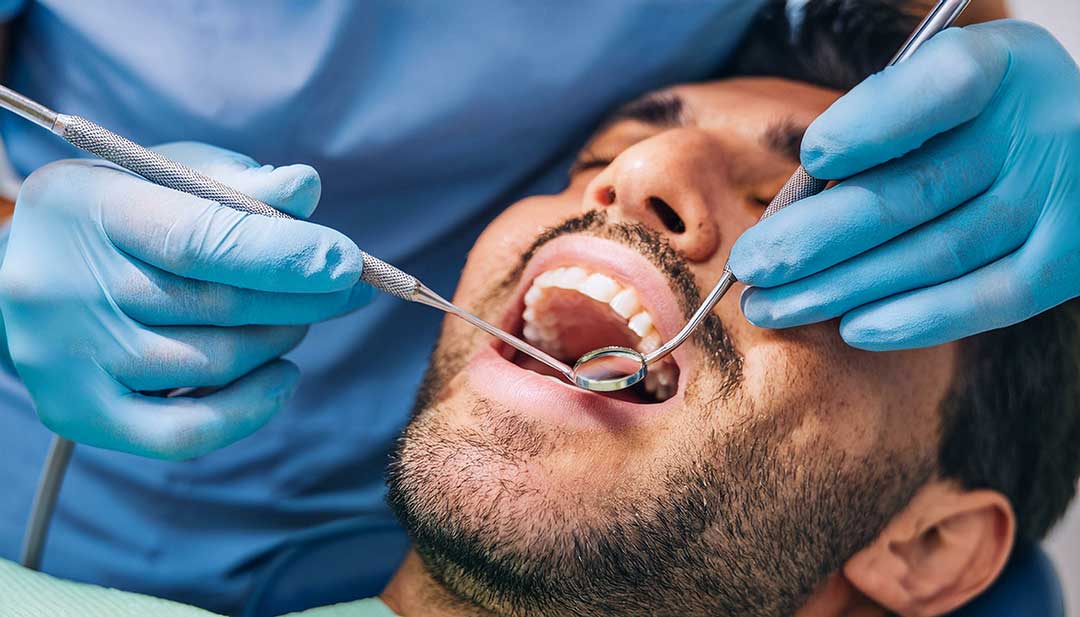
Cavities do not always cause discomfort right away. It’s possible for decay to progress through the enamel and even into the tooth’s deeper layers without symptoms. By the time pain appears, the issue may be more advanced, with potential for infection or abscess—this is especially the case in households that have less frequent access to routine dental exams.
Regular checks, even at home with a mirror and good lighting, can help spot issues early. Look for:
- Discoloration or dark spots
- Areas that feel rough or “catch” when a fingernail passes over them
- Sensitivity to hot, cold, or sweet foods
Do Only Kids Get Cavities?
While children do often get more cavities due to habits and developing skills, adults are also at risk—especially in climates with long, humid seasons such as the one in Johns Island, where bacteria multiply faster. Changes in diet, medication causing dry mouth, tobacco use, and age-related gum recession can all increase risk in teens, adults, and seniors.
Are Store-Bought Whitening Treatments Always Safe?
Whitening pastes and kits found in stores may appear safe because they are widely available, but their effects can vary. Overuse or improper application sometimes leads to sensitivity or uneven results. On rare occasions, people with tooth-colored fillings or crowns learn that whitening does not affect those restorations, leading to mismatched shades.
For natural teeth, safety depends on following product instructions carefully. Unusually harsh or frequent whitening can weaken enamel, which may be a concern in households using well water or mineral-rich tap water, both of which can affect tooth enamel.
Does Bad Breath Mean Bad Hygiene?
It’s easy to assume that persistent bad breath means someone has poor hygiene, but that’s not always the case. Chronic bad breath can also result from:
- Dry mouth (often due to medications or dehydration during hot coastal days)
- Acid reflux or digestive issues common with local diets
- Chronic sinus problems related to seasonal pollen or mold
Drinking water, practicing good oral care, and addressing any underlying medical conditions or dietary partners can all help reduce the risk.